


Science
Nature Holds The Wisdom, Science unlock it
— Safely, Gently, and Balanced
At U+FITJOURNEY, we believe the most powerful solutions already exist in nature.
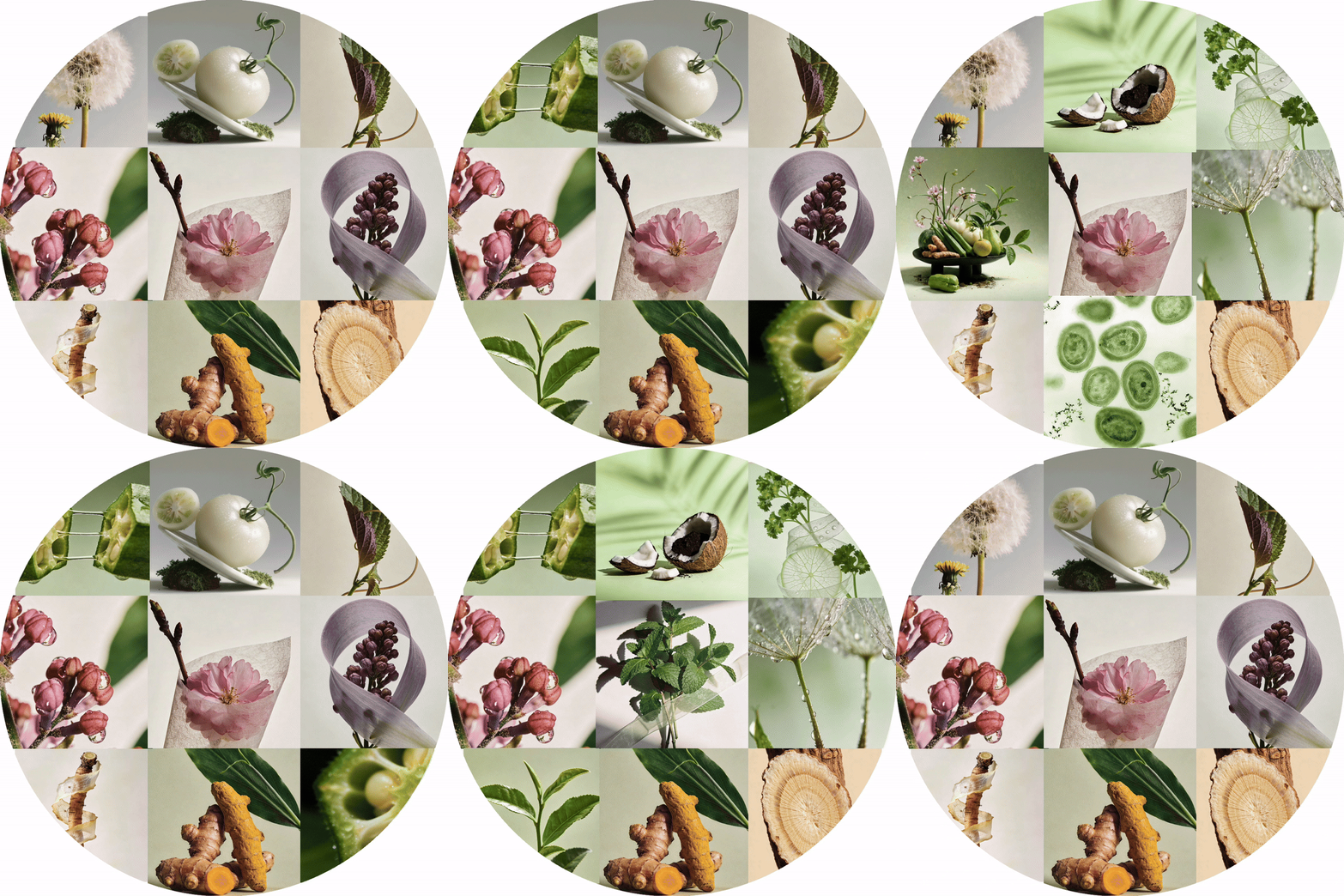
Botanical intelligence has supported human balance for generations. Our role is not to replace this wisdom, but to understand it more deeply. Through modern science, we study how to combine plants, how to extract their active components, and how to deliver them in ways the body recognizes and trusts.
By applying scientific precision to natural ingredients, we are able to amplify botanical benefits while maintaining safety, gentleness, and balance — helping the body restore its natural rhythm.
01
01
02
02
03
Strains
Extraction, Standardized
Key Ingredient
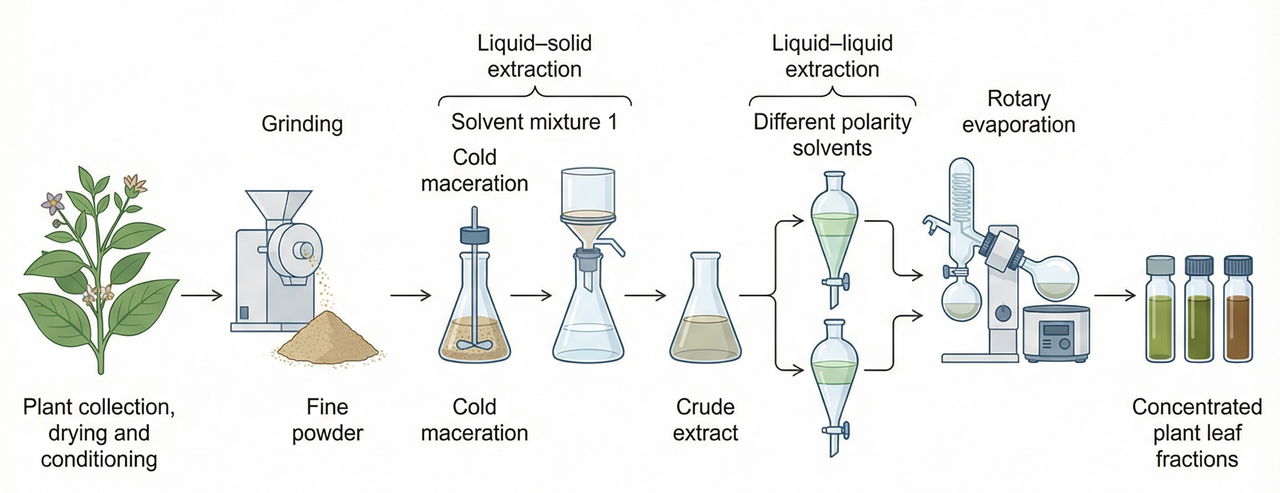
We source botanicals with documented identity and quality, then extract under controlled conditions to preserve key bioactive compounds. Each step—from milling and maceration to filtration and concentration—is designed for consistency, traceability, and reproducible composition.
Akkermansia muciniphila
Microbial Science
Botanical Wisdom
References
Synergy-Microbial & Botanical
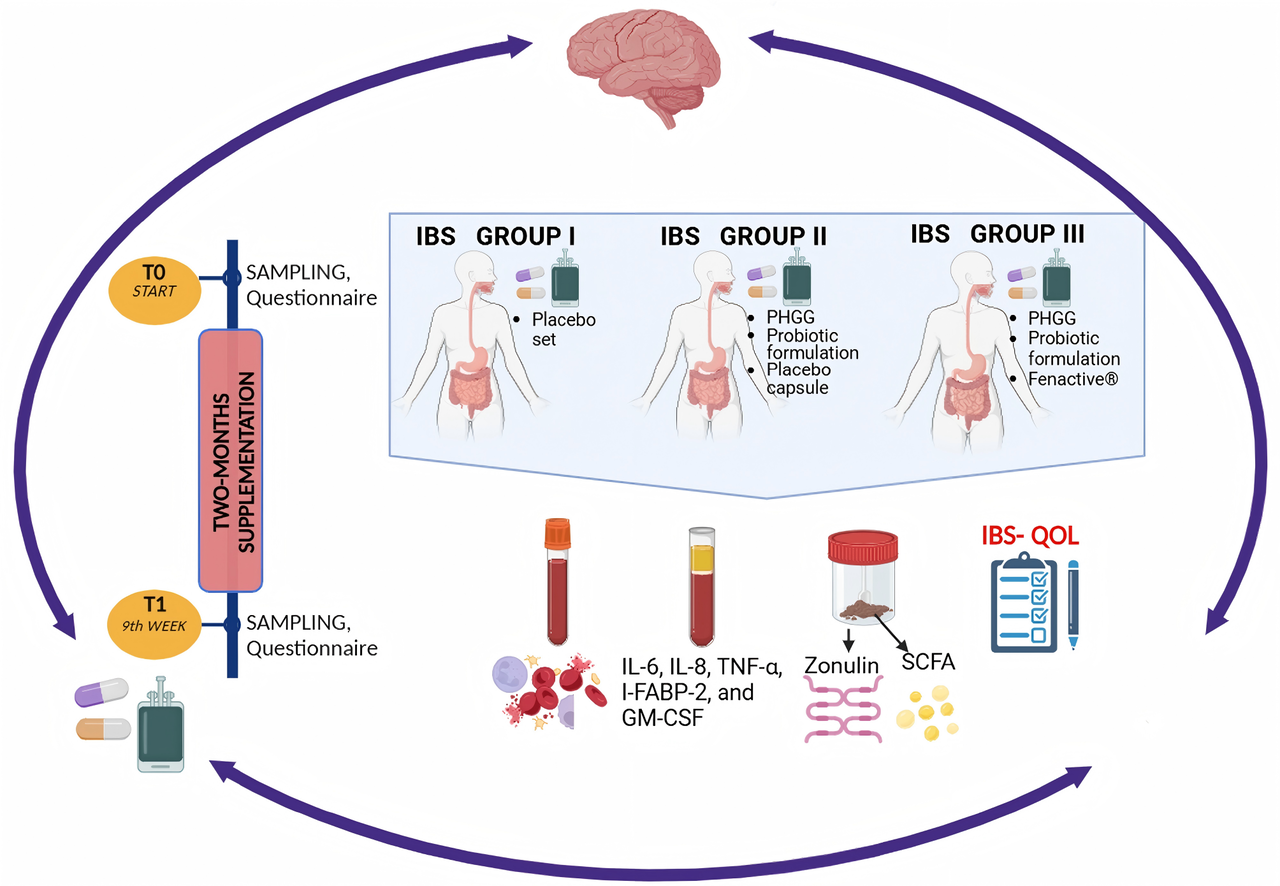
Wierzbicka et al. conducted a randomized, double-blind, placebo-controlled trial involving 47 patients with irritable bowel syndrome (IBS) who met the Rome IV criteria. The participants were divided into three groups:
Group 1: Placebo
Group 2:Probiotics + prebiotic fiber
Group 3:Probiotics + prebiotic fiber + extract
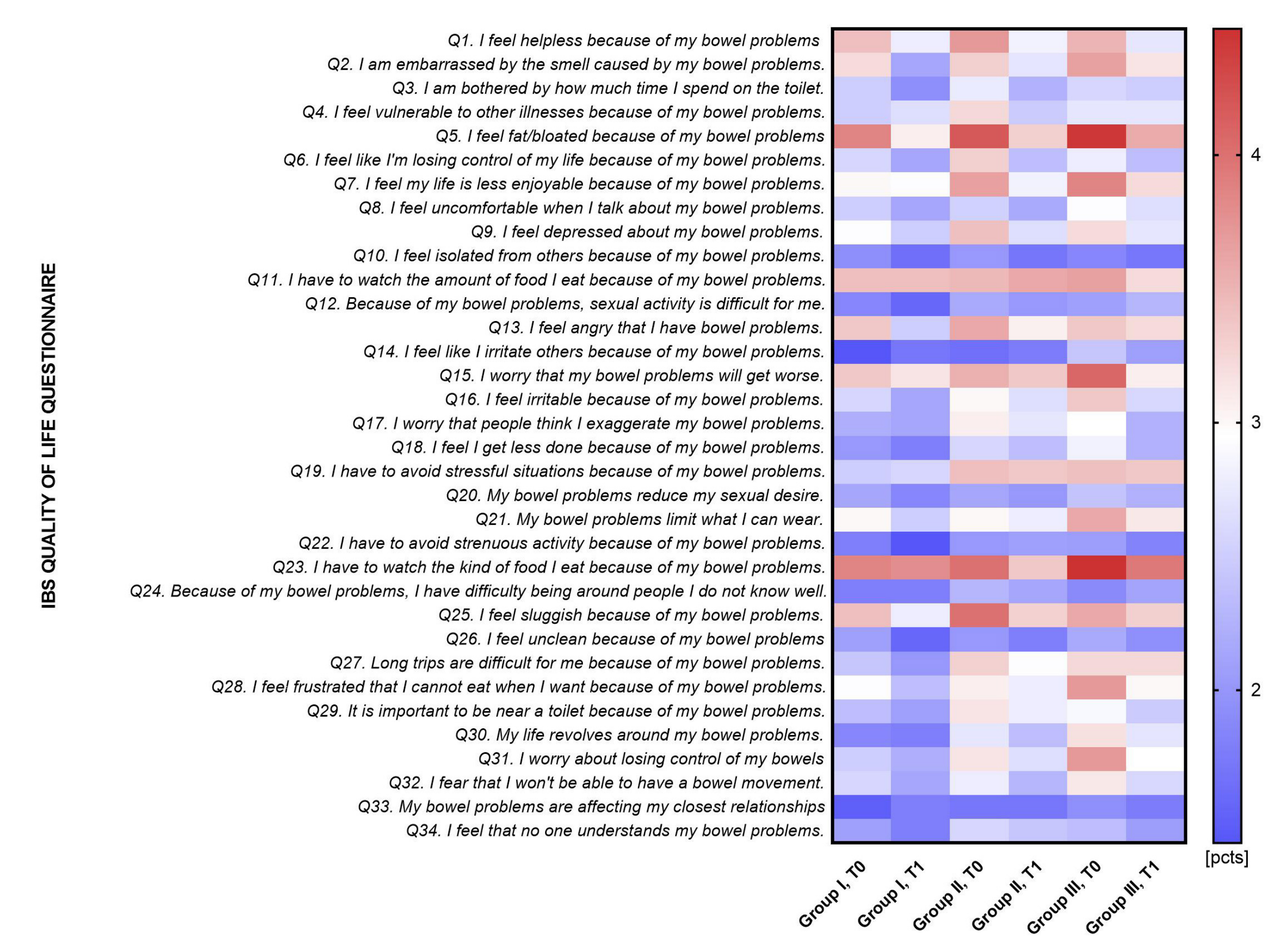
Treatment effects were evaluated using the IBS Quality of Life (IBS-QoL) questionnaire, serum inflammatory markers (including IL-6, IL-8, TNF-α), and fecal short-chain fatty acids (SCFAs) and zonulin measurements.
Results: Patients in the third group showed the most significant improvement in quality of life. The study demonstrated that the combination of probiotics, prebiotics, and plant extracts effectively improved quality of life and gut health–related indicators in patients with IBS[1].
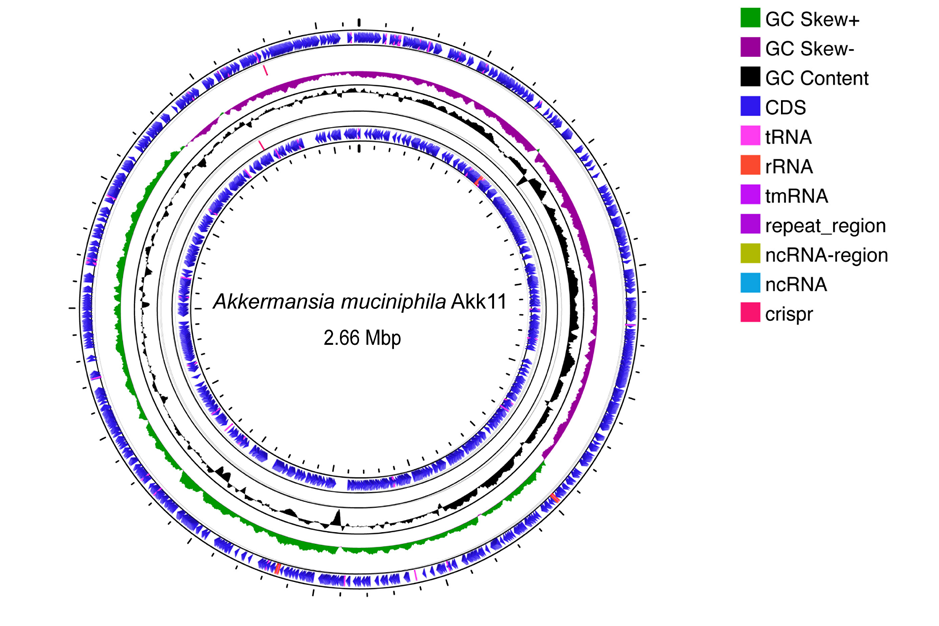
Figure 1. Genome map of Akkermansia muciniphila Akk11 completion map sequencing [2]
Strain Validation
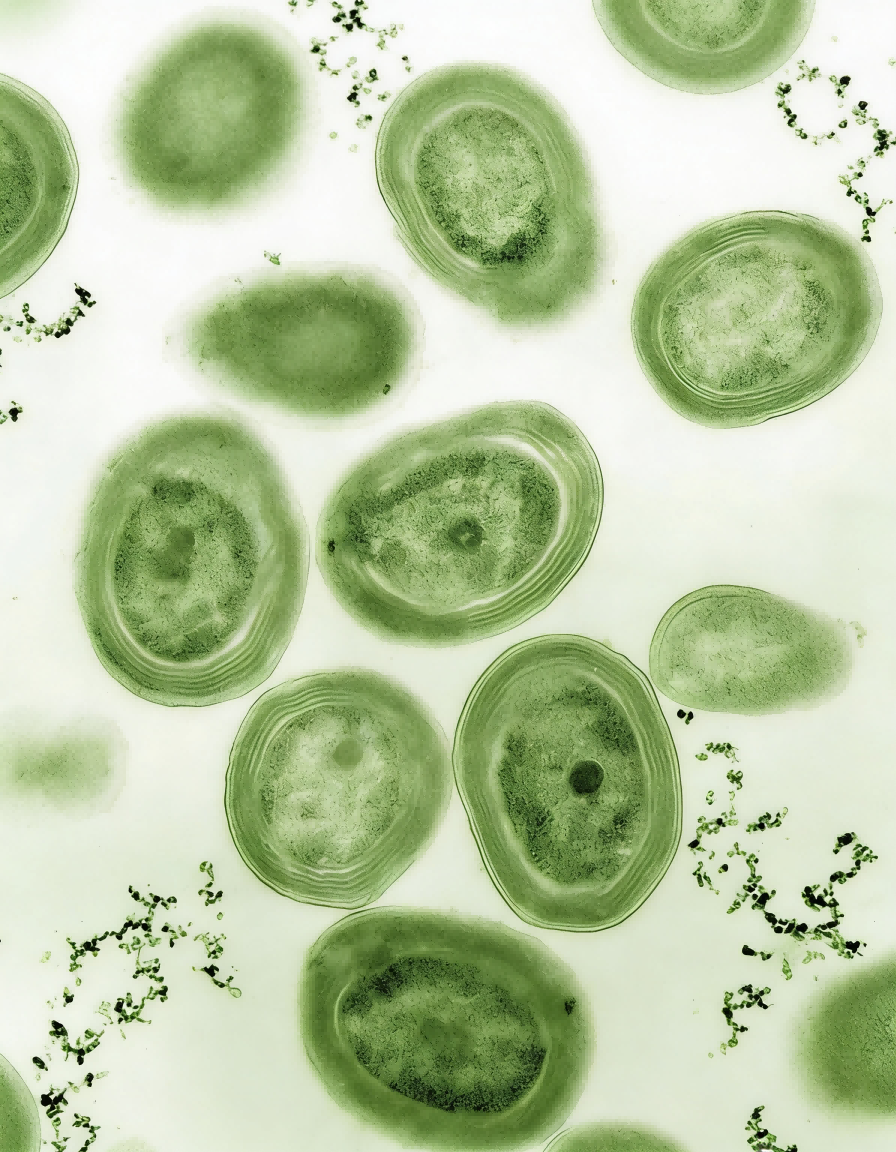
Akkermansia muciniphila is increasingly regarded as a next-generation probiotic with clinical and commercial potential.
The AKK11 strain used in our products is deposited in the American Type Culture Collection (ATCC, Deposit Number: PTA-127863) and Leibniz Institute DSMZ-German Collection of Microorganisms and Cell Cultures GmbH (DSMZ, Deposit Number: DSM 35205).
Strain Analysis
Average Nucleotide Identity (ANI) analysis shows 98.36% genetic similarity to the reference type strain Akkermansia muciniphila ATCC BAA-835ᵀ (Mucᵀ)—confirming close phylogenetic relatedness to the established model strain used in microbiome research [2].
Pasteurized Akk11 plays a significant role in enhancing intestinal barrier function and helps preserve the integrity of the intestinal mucosa to a certain degree [3].
Figure 2. Akk11 enhances gut barrier. Effects of Akk11 on (A) the relative proportion of goblet cells for AB-PAS staining of the mouse colon; (B) ZO-1-positive area in the colon; (C) Muc-2-positive area in the colon; (D) Occludin-positive area in the colon; and (E) claudin-1-positive area in the colon. Sample size (n = 5/ group); p < 0.05, * p < 0.01, *** p < 0.001, and **** p < 0.0001 [3].
Synbiotics
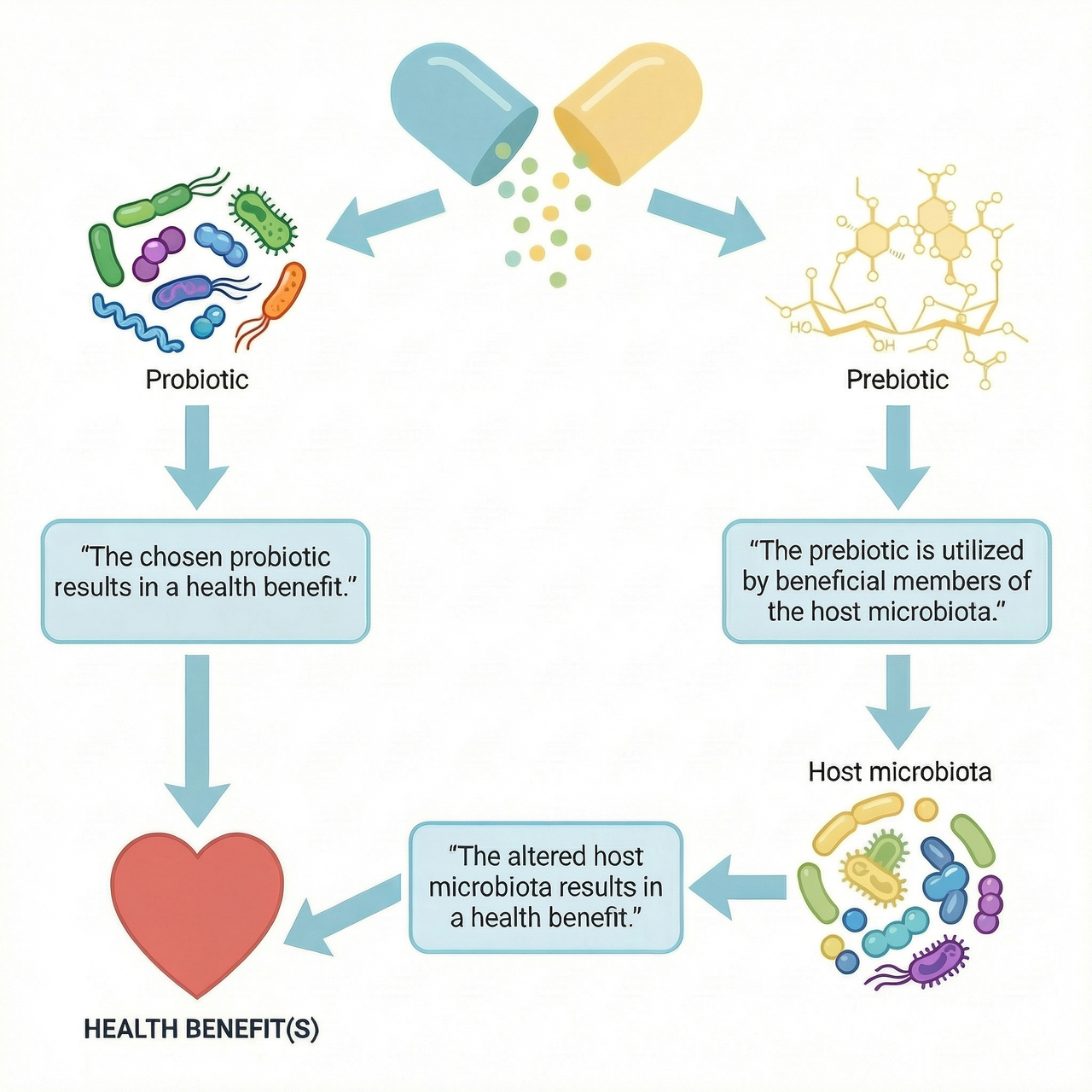
Approach 1 - Complementary Synbiotic
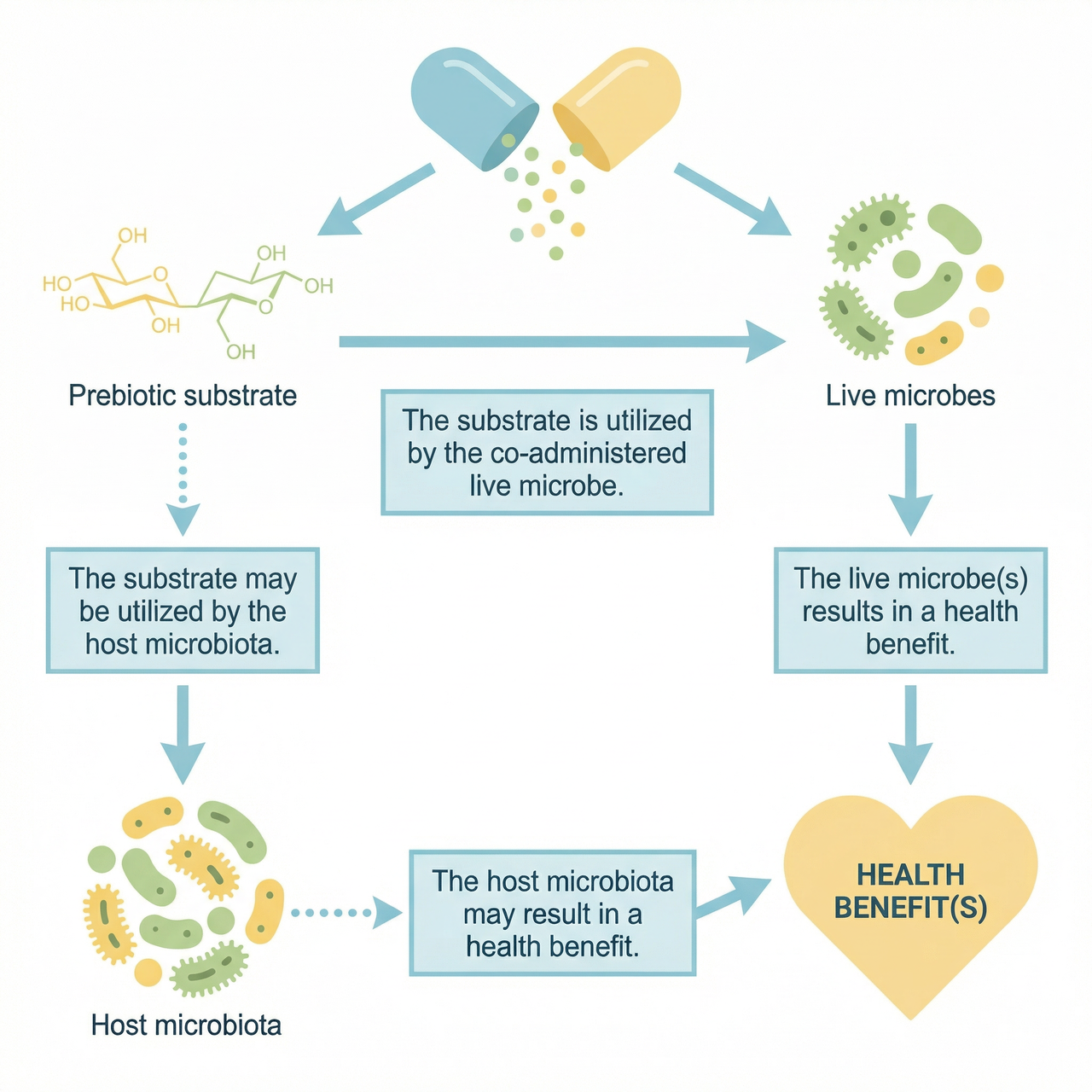
Approach 2 - Synergistic Synbiotic
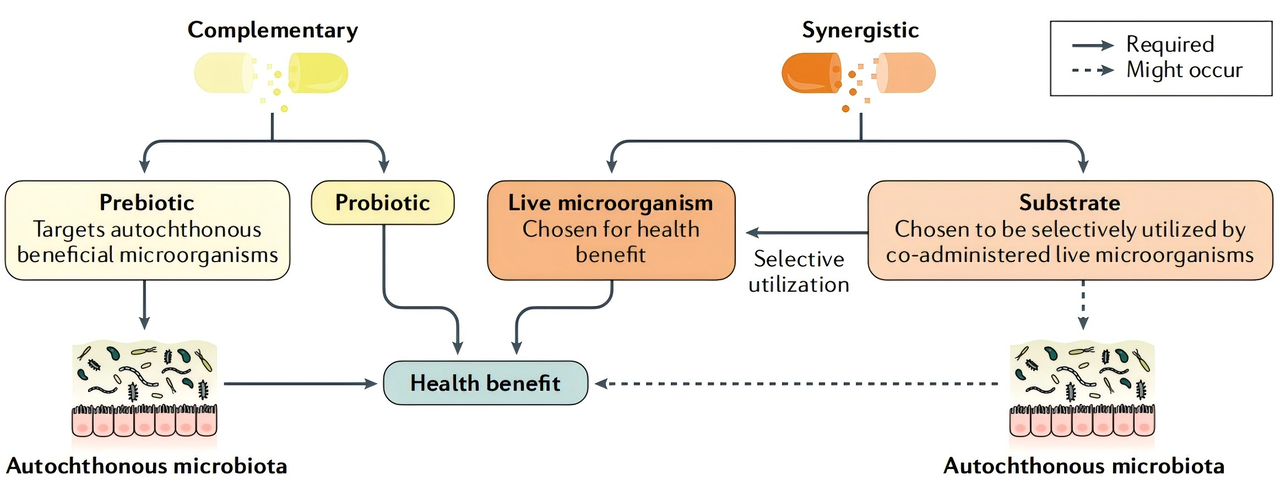
Figure 3. Design and mechanisms of action of complementary and synergistic synbiotics[4]
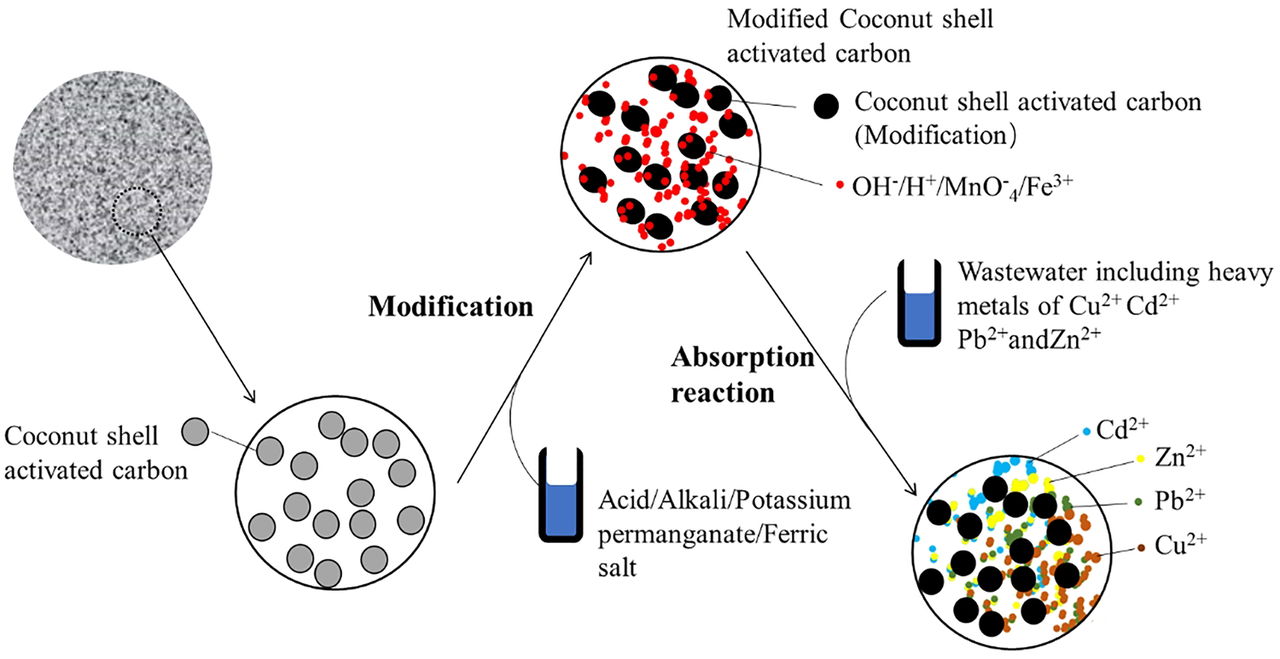
Figure 4. Purification of heavy metals in wastewater using the coconut shell-based activated carbons with experimental verification[7]
[1] Wierzbicka, A., Khaidakov, B., Zakerska-Banaszak, O., Andrzejewska, P., Baturo, A., Kowalczyk, P., Lemke, K., Dobrowolska, A., Skrzypczak-Zielinska, M., & Mankowska-Wierzbicka, D. (2025). Effects of a polyphenol-rich extract blend, probiotics, and hydrolyzed fiber on quality of life and gut health markers in patients with irritable bowel syndrome-A randomized, double-blind, placebo-controlled trial. Frontiers in nutrition, 12, 1603011.
[2] Wang, X., Fan, Y., Dong, Y., Zhang, Y., Tan, X., Gai, Z., Sun, Y., & Fang, S. (2025). Strain-Specific Safety Evaluation of Akkermansia muciniphila Akk11: Comprehensive Genotypic, Phenotypic, and Toxicological Assessment. Food science & nutrition, 13(11), e71154.
[3] Feng, S., Wang, W., Zhang, X., Helal, S. E., Peng, N., & Zhang, Z. (2025). Investigating the role of Akkermansia muciniphila Akk11 in modulating obesity and intestinal dysbiosis: a comparative study of live and pasteurized treatments. Frontiers in microbiology, 16, 1638771.
[4] Swanson, K. S., Gibson, G. R., Hutkins, R., Reimer, R. A., Reid, G., Verbeke, K., Scott, K. P., Holscher, H. D., Azad, M. B., Delzenne, N. M., & Sanders, M. E. (2020). The International Scientific Association for Probiotics and Prebiotics (ISAPP) consensus statement on the definition and scope of synbiotics. Nature reviews. Gastroenterology & hepatology, 17(11), 687–701.
[5] Elkhalifa, A. E. O., Alshammari, E., Adnan, M., Alcantara, J. C., Awadelkareem, A. M., Eltoum, N. E., Mehmood, K., Panda, B. P., & Ashraf, S. A. (2021). Okra (Abelmoschus Esculentus) as a Potential Dietary Medicine with Nutraceutical Importance for Sustainable Health Applications. Molecules (Basel, Switzerland), 26(3), 696.
[6] Ajien, A., Idris, J., Md Sofwan, N., Husen, R., & Seli, H. (2023). Coconut shell and husk biochar: A review of production and activation technology, economic, financial aspect and application. Waste management & research : the journal of the International Solid Wastes and Public Cleansing Association, ISWA, 41(1), 37–51.
[7] Deng, Z., Sun, S., Li, H., Pan, D., Patil, R. R., Guo, Z., & Seok, I. (2021). Modification of coconut shell-based activated carbon and purification of wastewater. Advanced Composites and Hybrid Materials, 4(1), 65-73.
[8] Martins, T., Barros, A. N., Rosa, E., & Antunes, L. (2023). Enhancing Health Benefits through Chlorophylls and Chlorophyll-Rich Agro-Food: A Comprehensive Review. Molecules (Basel, Switzerland), 28(14), 5344.
Synbiotics can be formulated using two approaches.
complementary synbiotic- Mixture of probiotic+prebiotic. Each works independently to achieve one or more health benefits
Synergistic Synbiotic-Mixture of a selectively utilized substrate and a live microbe chosen for its ability to deliver a health effect. Components comprising synergistic synbiotics work together to bring about resulting health benefit(s)[4].
Okra (Abelmoschus esculentus L.)
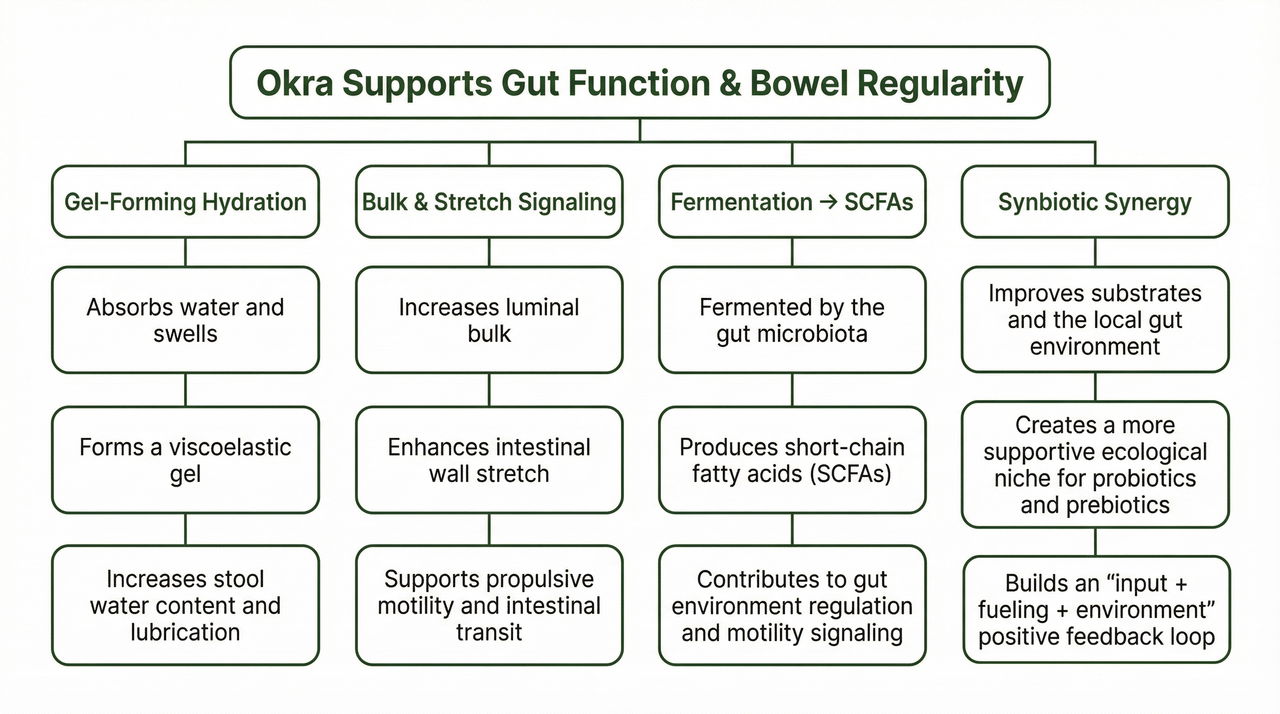
Okra is a popular vegetable crop with good nutritional significance, along with certain therapeutic values, which makes it a potential candidate in the use of a variety of nutraceuticals. Different parts of the okra fruit (mucilage, seed, and pods) contain certain important bioactive components, which confer its medicinal properties. The phytochemicals of okra have been studied for their potential therapeutic activities on various chronic diseases, such as type-2 diabetes, cardiovascular, and digestive diseases, as well as the antifatigue effect, liver detoxification, antibacterial, and chemo-preventive activities [5].
Chlorophylls
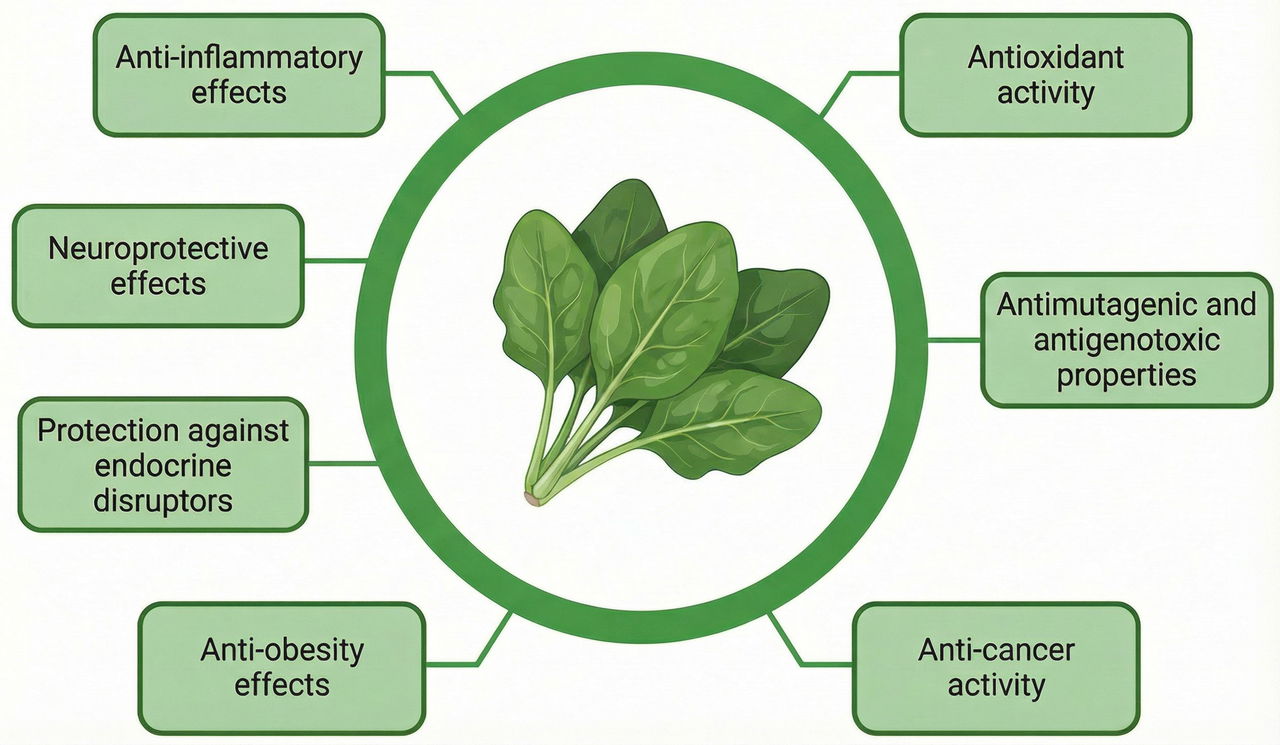
Chlorophylls play a crucial role in photosynthesis and are abundantly found in green fruits and vegetables that form an integral part of our diet. Existing studies suggest that these photosynthetic pigments and their derivatives possess therapeutic properties. These bioactive molecules exhibit a wide range of beneficial effects, including antioxidant, antimutagenic, antigenotoxic, anti-cancer, and anti-obesogenic activities [8].
Coconut shell activated carbon
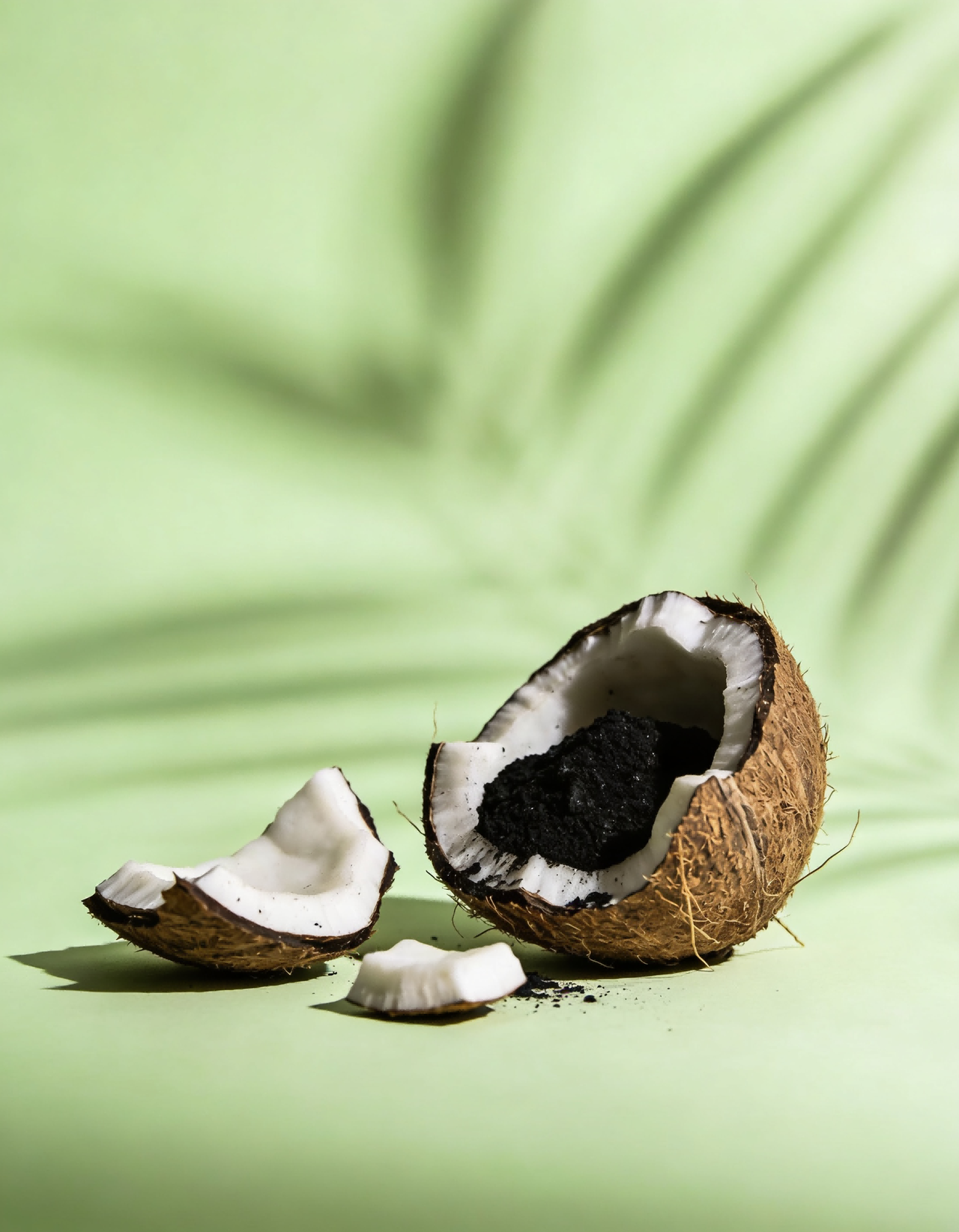
Coconut shell and coconut husk biomass are mainly composed of lignin, cellulose and hemicelluloses [6] . Our activated carbon is made from coconut shells and processed to create a highly porous structure with a large internal surface area. This porous matrix can adsorb (bind to the surface of) certain compounds in the gut—supporting odor control and digestive comfort when occasional odor is driven by gut byproducts.

Science
Nature Holds The Wisdom
Science unlock it —
Safely, Gently, and Balanced
At U+FITJOURNEY,
we believe the most powerful solutions already exist in nature.
Botanical intelligence has supported human balance for generations.
Our role is not to replace this wisdom, but to understand it more deeply. Through modern science, we study how to combine plants, how to extract their active components, and how to deliver them in ways the body recognizes and trusts.
By applying scientific precision to natural ingredients, we are able to amplify botanical benefits while maintaining safety, gentleness, and balance — helping the body restore its natural rhythm.
01
01
02
02
03
Strains
Extraction, Standardized
Key Ingredient
We source botanicals with documented identity and quality, then extract under controlled conditions to preserve key bioactive compounds. Each step—from milling and maceration to filtration and concentration—is designed for consistency, traceability, and reproducible composition.
Akkermansia muciniphila
Microbial Science
Botanical Wisdom
References
Synergy-Microbial & Botanical
Wierzbicka et al. conducted a randomized, double-blind, placebo-controlled trial involving 47 patients with irritable bowel syndrome (IBS) who met the Rome IV criteria. The participants were divided into three groups:
Group 1: Placebo
Group 2:Probiotics + prebiotic fiber
Group 3:Probiotics + prebiotic fiber + extract
Treatment effects were evaluated using the IBS Quality of Life (IBS-QoL) questionnaire, serum inflammatory markers (including IL-6, IL-8, TNF-α), and fecal short-chain fatty acids (SCFAs) and zonulin measurements.
Results: Patients in the third group showed the most significant improvement in quality of life. The study demonstrated that the combination of probiotics, prebiotics, and plant extracts effectively improved quality of life and gut health–related indicators in patients with IBS[1].
Figure 1. Genome map of Akkermansia muciniphila Akk11 completion map sequencing [2]
Strain Validation
Akkermansia muciniphila is increasingly regarded as a next-generation probiotic with clinical and commercial potential.
The AKK11 strain used in our products is deposited in the American Type Culture Collection (ATCC, Deposit Number: PTA-127863) and Leibniz Institute DSMZ-German Collection of Microorganisms and Cell Cultures GmbH (DSMZ, Deposit Number: DSM 35205).
Strain Analysis
Average Nucleotide Identity (ANI) analysis shows 98.36% genetic similarity to the reference type strain Akkermansia muciniphila ATCC BAA-835ᵀ (Mucᵀ)—confirming close phylogenetic relatedness to the established model strain used in microbiome research [2].
Pasteurized Akk11 plays a significant role in enhancing intestinal barrier function and helps preserve the integrity of the intestinal mucosa to a certain degree [3].
Figure 2. Akk11 enhances gut barrier. Effects of Akk11 on (A) the relative proportion of goblet cells for AB-PAS staining of the mouse colon; (B) ZO-1-positive area in the colon; (C) Muc-2-positive area in the colon; (D) Occludin-positive area in the colon; and (E) claudin-1-positive area in the colon. Sample size (n = 5/ group); p < 0.05, * p < 0.01, *** p < 0.001, and **** p < 0.0001 [3].
Synbiotics
Approach 1 - Complementary Synbiotic
Approach 2 - Synergistic Synbiotic
Figure 3. Design and mechanisms of action of complementary and synergistic synbiotics[4]
Synbiotics can be formulated using two approaches.
complementary synbiotic- Mixture of probiotic+prebiotic. Each works independently to achieve one or more health benefits
Synergistic Synbiotic-Mixture of a selectively utilized substrate and a live microbe chosen for its ability to deliver a health effect. Components comprising synergistic synbiotics work together to bring about resulting health benefit(s)[4].
Okra (Abelmoschus esculentus L.)
Okra is a popular vegetable crop with good nutritional significance, along with certain therapeutic values, which makes it a potential candidate in the use of a variety of nutraceuticals. Different parts of the okra fruit (mucilage, seed, and pods) contain certain important bioactive components, which confer its medicinal properties. The phytochemicals of okra have been studied for their potential therapeutic activities on various chronic diseases, such as type-2 diabetes, cardiovascular, and digestive diseases, as well as the antifatigue effect, liver detoxification, antibacterial, and chemo-preventive activities [5].
Coconut shell activated carbon
Coconut shell and coconut husk biomass are mainly composed of lignin, cellulose and hemicelluloses [6] . Our activated carbon is made from coconut shells and processed to create a highly porous structure with a large internal surface area. This porous matrix can adsorb (bind to the surface of) certain compounds in the gut—supporting odor control and digestive comfort when occasional odor is driven by gut byproducts.
Figure 4. Purification of heavy metals in wastewater using the coconut shell-based activated carbons with experimental verification[7]
Chlorophylls
Chlorophylls play a crucial role in photosynthesis and are abundantly found in green fruits and vegetables that form an integral part of our diet. Existing studies suggest that these photosynthetic pigments and their derivatives possess therapeutic properties. These bioactive molecules exhibit a wide range of beneficial effects, including antioxidant, antimutagenic, antigenotoxic, anti-cancer, and anti-obesogenic activities [8].
[1] Wierzbicka, A., Khaidakov, B., Zakerska-Banaszak, O., Andrzejewska, P., Baturo, A., Kowalczyk, P., Lemke, K., Dobrowolska, A., Skrzypczak-Zielinska, M., & Mankowska-Wierzbicka, D. (2025). Effects of a polyphenol-rich extract blend, probiotics, and hydrolyzed fiber on quality of life and gut health markers in patients with irritable bowel syndrome-A randomized, double-blind, placebo-controlled trial. Frontiers in nutrition, 12, 1603011.
[2] Wang, X., Fan, Y., Dong, Y., Zhang, Y., Tan, X., Gai, Z., Sun, Y., & Fang, S. (2025). Strain-Specific Safety Evaluation of Akkermansia muciniphila Akk11: Comprehensive Genotypic, Phenotypic, and Toxicological Assessment. Food science & nutrition, 13(11), e71154.
[3] Feng, S., Wang, W., Zhang, X., Helal, S. E., Peng, N., & Zhang, Z. (2025). Investigating the role of Akkermansia muciniphila Akk11 in modulating obesity and intestinal dysbiosis: a comparative study of live and pasteurized treatments. Frontiers in microbiology, 16, 1638771.
[4] Swanson, K. S., Gibson, G. R., Hutkins, R., Reimer, R. A., Reid, G., Verbeke, K., Scott, K. P., Holscher, H. D., Azad, M. B., Delzenne, N. M., & Sanders, M. E. (2020). The International Scientific Association for Probiotics and Prebiotics (ISAPP) consensus statement on the definition and scope of synbiotics. Nature reviews. Gastroenterology & hepatology, 17(11), 687–701.
[5] Elkhalifa, A. E. O., Alshammari, E., Adnan, M., Alcantara, J. C., Awadelkareem, A. M., Eltoum, N. E., Mehmood, K., Panda, B. P., & Ashraf, S. A. (2021). Okra (Abelmoschus Esculentus) as a Potential Dietary Medicine with Nutraceutical Importance for Sustainable Health Applications. Molecules (Basel, Switzerland), 26(3), 696.
[6] Ajien, A., Idris, J., Md Sofwan, N., Husen, R., & Seli, H. (2023). Coconut shell and husk biochar: A review of production and activation technology, economic, financial aspect and application. Waste management & research : the journal of the International Solid Wastes and Public Cleansing Association, ISWA, 41(1), 37–51.
[7] Deng, Z., Sun, S., Li, H., Pan, D., Patil, R. R., Guo, Z., & Seok, I. (2021). Modification of coconut shell-based activated carbon and purification of wastewater. Advanced Composites and Hybrid Materials, 4(1), 65-73.
[8] Martins, T., Barros, A. N., Rosa, E., & Antunes, L. (2023). Enhancing Health Benefits through Chlorophylls and Chlorophyll-Rich Agro-Food: A Comprehensive Review. Molecules (Basel, Switzerland), 28(14), 5344.


